Anchromatic: A Chic Handwritten Font
Anchromatic is a chic handwritten font that brings an elegant touch to web design and digital projects. As a web designer, I appreciate fonts that add personality without sacrificing readability. Anchromatic fits this need perfectly, offering a refined script that works well in various digital contexts.
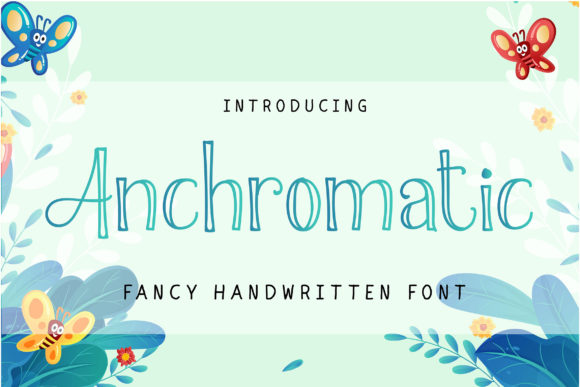
Designed for modern typography, Anchromatic is ideal for headers, hero sections, and other prominent areas of a website. Its flowing lines and subtle variations give it a natural, handcrafted feel that stands out in a sea of generic typefaces. The font’s PUA encoding ensures easy access to all glyphs and swashes, making it a versatile choice for designers who want to customize their layouts.
Visual Characteristics and Digital Appeal
Anchromatic has a distinct personality—elegant yet approachable. It balances fluidity with clarity, making it suitable for both high-end branding and casual digital experiences. The font’s style is best described as a modern script with a timeless appeal, perfect for creative portfolios, boutique online stores, and coaching websites.
Its visual appeal lies in the way it interacts with space. When used in headlines or call-to-action buttons, Anchromatic adds a sense of movement and energy. This makes it ideal for landing pages that aim to capture attention and drive conversions. The font also pairs well with clean, minimalist designs, where its elegance can shine without overwhelming the layout.
Use Cases in Web Design
For web designers, Anchromatic offers a range of applications. It works exceptionally well in hero sections, where it can be used to highlight key messages or brand slogans. In landing pages, it adds a personal touch that resonates with users looking for authenticity and creativity.
When designing for online stores, Anchromatic can be used in banners, product titles, or promotional tags. Its handwritten quality gives a boutique feel that complements artisanal or lifestyle brands. For blog headers or content sections, it provides a stylish contrast to body text, helping to establish visual hierarchy and guide user attention.
On course sales pages or SaaS landing pages, Anchromatic can be used in feature highlights or testimonials. Its legibility at larger sizes makes it a strong choice for short phrases and decorative accents. It also works well in logos or brand marks, where a unique typeface can reinforce brand identity.
Readability and User Experience
While Anchromatic is a display font, it maintains a level of readability that suits many digital environments. On desktop screens, it reads smoothly in headers and section titles. However, for body text or small buttons, it’s best to pair it with a more traditional sans serif or serif font.
On mobile devices, Anchromatic performs well when used in larger sizes. When placed over dark backgrounds or image overlays, it retains clarity, provided there’s sufficient contrast. For responsive layouts, using Anchromatic sparingly ensures that it doesn’t interfere with the overall flow of the design.
Font Pairing and Brand Identity
Pairing Anchromatic with other fonts enhances its versatility. A common approach is to use it as a display font alongside a simple sans serif for body copy. This combination creates a balanced look that’s both professional and visually engaging.
For editorial designs or blog themes, pairing Anchromatic with a serif font can create a more sophisticated tone. In packaging design or social media graphics, it adds a human touch that feels authentic and relatable. These pairings help maintain a cohesive brand identity across different platforms and formats.
Practical Considerations for Web Designers
When using Anchromatic in web projects, it’s important to check the available styles, weights, and file formats. Most fonts come in multiple versions, including regular, bold, and italic, which can be useful for different design needs. For web use, ensuring that the font is available as a webfont or can be embedded properly is essential.
Designers should also consider multilingual support if the project targets international audiences. Anchromatic’s glyph set includes characters for many languages, making it a reliable choice for global websites or multilingual content.
Commercial font licensing is another key consideration. Depending on the project, Anchromatic may require a specific license for use on websites, client projects, or online stores. Always verify the terms to ensure compliance and avoid legal issues down the line.
Conclusion
Anchromatic is a powerful tool for web designers and digital creators looking to elevate their visual identity. Its elegant, handwritten style adds a unique character to any design while maintaining usability and clarity. Whether used in headers, logos, or digital ads, it offers a fresh alternative to standard typefaces.
By understanding its strengths and limitations, designers can harness Anchromatic’s potential to create memorable, engaging web experiences. From creative portfolios to online stores, this font proves that beauty and functionality can coexist in modern digital design.